Autism Mama PNG Design
A Designer’s First Look: Strength, Simplicity, and Stitch-Ready Clarity
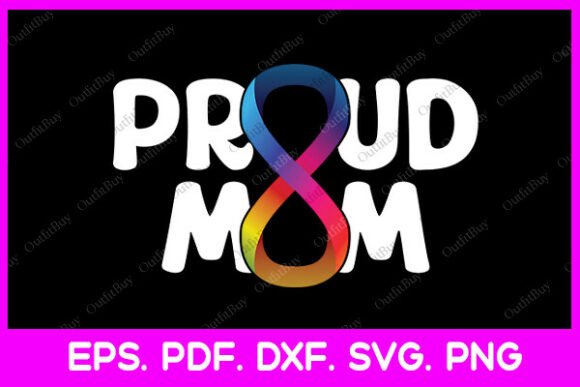
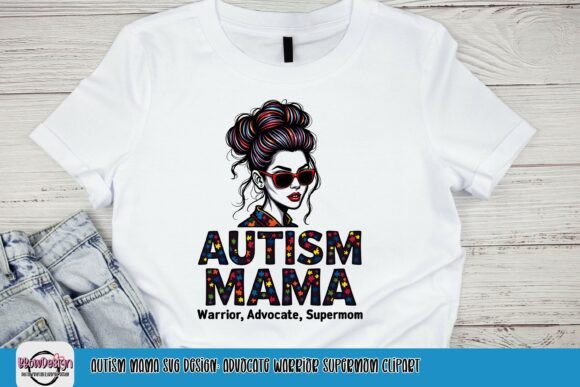
When I opened the Autism Mama PNG Design for the first time, I didn’t just see clipart—I saw a real mom. Not a generic “supermom” trope, but something grounded: bold yet tender, resilient without being rigid. The composition centers on clean, confident lettering—“Autism Mama”—paired with subtle symbolic elements (a puzzle piece integrated with heart shape, or perhaps a ribbon motif, depending on the version). It’s stylized, not cartoonish; warm, not clinical. That balance matters—especially when you’re translating it into thread.
Real Project Test: Embroidering a Keepsake Tote for an Autism Support Group
Last month, I used the Autism Mama PNG Design to create embroidered canvas totes for a local autism parent network’s annual gathering. We chose natural cotton canvas—medium weight, slightly textured—and stitched the design centered on the front panel, roughly 4.5" wide. Right away, the design’s intentional spacing and moderate line weight worked in our favor: no tiny gaps vanished under satin stitch, no thin stems broke apart during fill. The letterforms held crisp edges, and the symbolic accent stayed legible without overwhelming the message. Parents paused, smiled, and said, “That’s *exactly* how it feels.” That kind of resonance isn’t accidental—it’s built into thoughtful design structure.
Where This Design Shines (and Where It Asks for Care)
The Autism Mama PNG Design excels on stable, medium-weight fabrics: sweatshirt fleece, twill tote bags, cotton aprons, tea towels, and structured pillow covers. Its balanced proportions translate cleanly to machine embroidery design files—especially when converted with attention to stitch density and underlay. I’ve used it successfully as an embroidered patch (with clean edge satin stitch), on baby onesies (scaled down to 3.2", using lightweight stabilizer), and as a subtle chest logo on crewneck sweatshirts.
But here’s where judgment matters: avoid cramming it onto curved surfaces like baseball caps unless you’ve tested the layout in your hoop first—the top curve of the lettering can distort if the design isn’t digitized for low-profile stitching. Also, steer clear of ultra-thin knits or highly stretchy jersey without added cutaway stabilizer; the design’s positive presence relies on stability, not give. On dark fabric? Confirm thread color contrast—especially in smaller details like inner ribbon lines or fine heart outlines. And if you're planning holiday embroidery on flannel blankets or layered nursery decor, run a test on scrap with your intended stabilizer combo. Thread pull and puckering hide nowhere here.
What It Adds to Your Finished Product—Beyond Aesthetics
This isn’t just decoration. When stitched well, the Autism Mama PNG Design elevates perceived value. Customers recognize intention—not just “a mom graphic,” but a marker of shared experience. That builds trust, especially for Etsy sellers offering personalized gifts or small shop products tied to advocacy. I’ve seen buyers add these embroidered totes to baby shower registries and include them in caregiver welcome kits—proof that clarity of message + craftsmanship = emotional utility. For boutique branding, it reads as warm professionalism, not cliché. And because the layout avoids excessive detail, it scales gracefully across product mockups—whether you’re previewing on a printable mockup for your digital product listing or building a cohesive set of craft fair merchandise.
Practical Notes Every Embroidery Designer Should Check
- Test before committing: Run the Autism Mama PNG Design on scrap fabric matching your final project’s weight and texture—even if it’s just a 2" square. Watch how corners lock, how curves flow, and whether small accents hold.
- Review stitch density: If you’re converting from PNG to embroidery file yourself—or working with a digitizer—ask for a stitch count estimate. Overly dense fills on lettering can cause stiffness on baby embroidery or sweatshirt embroidery.
- Hoop size & placement: Measure the design’s widest point. Does it fit comfortably within your standard hoop with ½" margin? If you’re doing commercial embroidery on varied garments, confirm compatibility with your most common setups.
- Thread colors matter: Try black-on-cream, navy-on-charcoal, and heather gray-on-ivory in your mockups. Some versions of this design include tonal shading—those subtleties vanish if thread contrast is too low.
- Licensing clarity: Since this falls under Graphics and Product Mockups, double-check usage rights before selling finished products or bundling the file into digital embroidery bundles. Personal use ≠ commercial embroidery rights—don’t assume.
- Stabilizer strategy: Medium-weight tear-away works for stable cottons; switch to cutaway for knits or layered garments. Skip fusible web unless you’re doing applique design—this design earns its impact through clean stitch work, not fused layers.
Final Thought: Design That Serves the Story
The Autism Mama PNG Design doesn’t shout. It stands. That quiet strength is why it works so well across handmade product categories—from a delicate embroidered tea towel gifted to a new autism parent, to a bold sweatshirt embroidery worn proudly at a walkathon. It respects the complexity of the role it represents while staying practical for real-world production. As a designer who’s stitched hundreds of phrases, symbols, and stories, I can say this: when a design invites both technical confidence and emotional sincerity, it’s earned its place in your embroidery project toolkit. Just remember—your care in testing, stabilizing, and scaling is what turns a great digital embroidery file into a meaningful finished product.