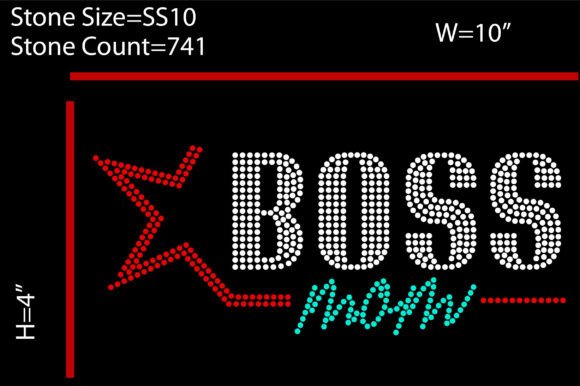
Boss Mom, Rhinestone Design
First Impressions: Sparkle with Substance
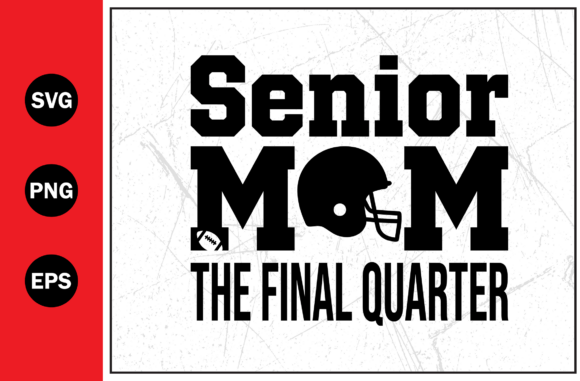
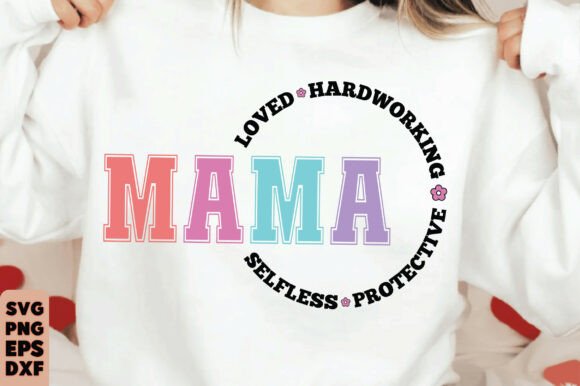
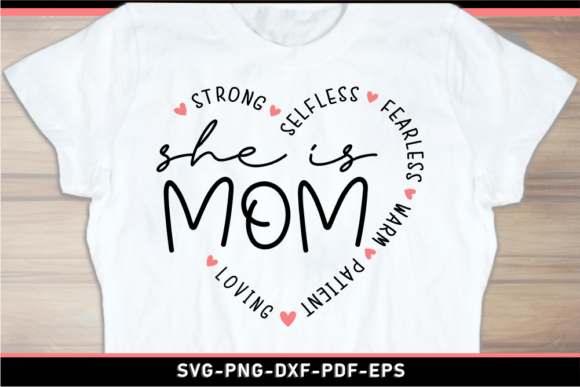
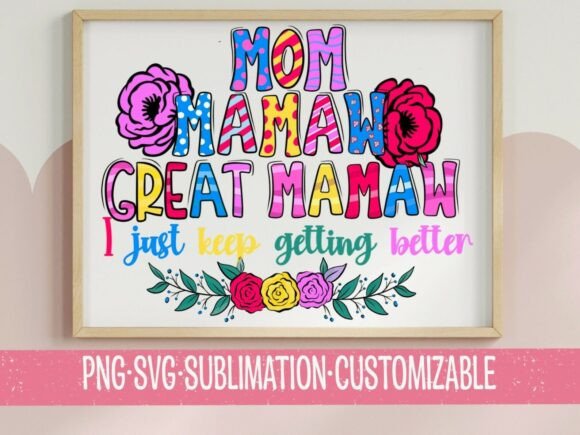
When I opened the Boss Mom, Rhinestone Design files, what struck me wasn’t just the glitter—it was how tightly the attitude and execution align. This isn’t a shouty, over-the-top graphic. It’s confident, clean, and quietly bold—like the mom who runs her household like a well-oiled startup *and* still folds laundry while on a Zoom call. The rhinestone motif isn’t literal bling; it’s stylized sparkle built into the letterforms and layout—subtle enough for nursery decor, sharp enough for a boutique sweatshirt.
A Real Project Test: Embroidering a Linen Tote for a Local Mom-Owned Café
Last week, I used Boss Mom, Rhinestone Design to embroider a set of heavyweight linen tote bags for “The Daily Grind,” a small café run by two sisters—one a barista, one a new mom. We placed the design centered on the front panel, about 4.5" wide. On linen, the rhinestone-inspired outlines translated beautifully in satin stitch—crisp edges, no thread pull, and just enough dimension to catch light without looking gaudy. Customers noticed it immediately—not as “cute” but as *intentional*. That matters. When your embroidery says “this was chosen, not slapped on,” it lifts the whole handmade product.
Where It Shines (and Where It Needs Care)
Boss Mom, Rhinestone Design works exceptionally well for:
- Custom apparel: Especially on mid-weight cotton blends, fleece-backed sweatshirts, and structured tote bags—fabrics that support moderate stitch density without distortion.
- Baby embroidery and nursery decor: Used at 3–3.5" scale, the design reads warmly—not too flashy, not too minimal. Perfect for onesies, pillow covers, or framed hoop art.
- Holiday embroidery and personalized gifts: Think embroidered tea towels for Mother’s Day, aprons for bridal showers, or caps for baby showers. Its tone lands right between playful and polished.
- Small shop product and Etsy listings: As a digital embroidery file, it’s versatile across categories—T-Shirt Designs, Graphics, even patch-ready layouts if digitized with clean underlay.
But here’s where attention is non-negotiable:
- Thin or stretchy fabric: Avoid using Boss Mom, Rhinestone Design on lightweight knits or jersey without proper cutaway stabilizer and reduced stitch density. The rhinestone accents rely on tight satin and fill stitch—stretch can blur those details.
- Curved surfaces like caps: The shape holds up well, but test first on scrap cap fabric. The outer curves may need slight digitizing tweaks for optimal flow—especially if stitching near the bill seam.
- Dark fabric backgrounds: The design’s visual weight depends on contrast. On charcoal or navy, use bright white or metallic thread—not ecru or light gray—to preserve the “rhinestone” effect.
- Tiny hoops (under 4"): Scaling down below 3" risks losing definition in the stone-like flourishes. If you must go smaller, simplify manually—remove inner highlights or reduce stitch count in dense zones.
Design Assets That Build Trust—Not Just Looks
What makes Boss Mom, Rhinestone Design more than just another machine embroidery design? It reads as *designed*, not assembled. The kerning feels intentional, the baseline alignment is consistent, and the rhinestone treatment varies subtly—larger “stones” anchor key letters (“B”, “M”), smaller ones add rhythm elsewhere. That kind of nuance builds customer trust. When someone sees this on a handmade product, they don’t think “clip art.” They think “this person chose something with care.”
That perception directly affects giftability and brand consistency—especially for craft businesses and Etsy sellers. A well-executed Boss Mom, Rhinestone Design on a custom-embroidered kitchen towel signals professionalism. On a baby blanket? It says “thoughtful, not trendy.” That distinction sells.
Practical Embroidery Designer Notes You Can’t Skip
Before stitching your first Boss Mom, Rhinestone Design project:
- Test on scrap fabric first—same type, same stabilizer, same thread colors you plan to use.
- Review stitch density. If your embroidery software shows heavy fill areas overlapping satin zones, consider reducing density by 5–10% for breathability on apparel.
- Confirm hoop size compatibility. The design scales cleanly, but always verify your largest intended size fits your standard hoop before digitizing adjustments.
- Inspect small details—especially the “stone” highlights. Are they isolated stitches or part of a continuous satin path? That affects thread breaks and cleanup time.
- Try black-and-white mockups. Does the design retain its impact without color? It should—and Boss Mom, Rhinestone Design does.
- Compare light vs. dark fabric backgrounds in your design software. Adjust thread color palettes accordingly—not just for visibility, but for emotional tone.
- Use proper stabilizer: Medium-weight cutaway for knits, tear-away for stable wovens, and fusible + tear-away for lightweight linens.
- Check licensing. These files are labeled for use across men’s, women’s, kids’, baby, and unisex applications—but confirm commercial rights before selling finished products or bundling as design assets.
Final Thought: Not Just a Graphic—A Conversation Starter
I’ve stitched hundreds of “mom” designs. Most fade into background noise. Boss Mom, Rhinestone Design doesn’t blend. It invites a pause—a smile, a nod, a “where’d you get that?” That’s rare. It balances personality with polish, sparkle with sincerity. Whether you’re prepping for a craft fair, building an Etsy shop, or embroidering a heartfelt gift, this design earns its place—not because it’s loud, but because it’s considered. And in handmade work, considered is everything.