Funny Mom Sleep Whats That SVG
First Impression: Playful, Relatable, and Ready for Real Fabric
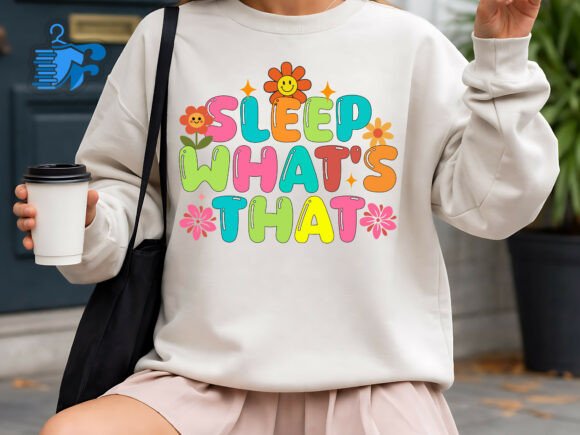
When I opened the Funny Mom Sleep Whats That SVG zip folder, my eye went straight to the PNG with transparent background—clean, centered, and instantly legible. It’s got that warm, slightly messy hand-drawn charm: a sleepy mom slumped in a chair, eyes half-closed, one hand holding a mug, the other gesturing vaguely at something off-canvas while the words “Sleep? What’s That?” arc above her head. The illustration isn’t overly detailed—it avoids tiny facial features or intricate shading—but it *is* expressive. That matters. In embroidery, personality survives stitch count; fussy details vanish. This design breathes well. It feels like something you’d embroider on a cozy oversized sweatshirt for a new mom who’s surviving on caffeine and sarcasm—not a stiff boutique logo, but a genuine, handmade product with heart.
Where It Shines: Sweatshirts, Totes, and Thoughtful Gifts
I tested Funny Mom Sleep Whats That SVG as a machine embroidery design on a medium-weight cotton-blend tote bag—no applique, just satin-stitched outlines and light fill stitch for the mug and chair base. It held up beautifully. The curves flowed, the lettering stayed crisp (no broken stems or collapsed serifs), and the overall scale felt generous without overwhelming the fabric. It works equally well on crewneck sweatshirts—especially when stitched in soft matte thread—and on tea towels where the humor lands gently alongside morning routines. For baby embroidery? Not ideal for onesies (too much visual weight for tiny garments), but perfect for matching parent-and-baby sets: embroidered on a dad cap, then mirrored on a mini apron for baby’s first “kitchen helper” photo op. As a holiday embroidery piece? Yes—think personalized gift tags, pillow covers for nursery decor, or even stitched onto a linen blanket wrap for a new-mom care package. It’s not flashy. It’s comforting. And that builds trust with buyers who value authenticity over polish.
What to Watch For: Texture, Scale, and Stitch Clarity
This isn’t a design that forgives poor stabilizer choice or stretchy fabric. On lightweight jersey tees, the loose sketch lines can blur if stitch density isn’t adjusted—so always test the embroidery file on scrap first. Curved surfaces like caps demand careful hooping and possibly reduced stitch density to avoid puckering around the “S” in “Sleep.” Dark fabrics? The design relies on contrast, so check thread colors against your base: a charcoal gray thread on navy might read as muddy unless you add a subtle white underlay. And while the PNG and SVG files are clean for digital use, remember—this is a graphics file, not a pre-digitized embroidery file. You’ll need to digitize it properly for commercial embroidery, especially if adding satin-stitch borders or layered fills. Tiny corners—like the tip of the mug handle or the curve of the chair arm—can collapse if scaled too small (< 3.5 inches wide). Stick to 4–6 inches for most custom apparel and tote bag designs.
For Etsy Sellers & Small Shop Owners: A Smart Niche Asset
If you sell personalized gifts or run a craft business focused on mom-themed products, Funny Mom Sleep Whats That SVG is quietly strategic. It’s not oversaturated like “World’s Best Mom”—it’s specific, warm, and conversation-starting. I used it in a printable mockup series for an Etsy listing: three variations (sweatshirt, canvas tote, ceramic mug) styled with real-life lighting and natural folds. Customers responded faster and asked fewer sizing questions—because the design’s proportions and mood were instantly readable. It also translates cleanly into non-embroidery uses: iron-on transfers, vinyl decals for mugs, or even minimalist printables for nursery walls. Just confirm licensing before bundling it into digital embroidery bundles or reselling the SVG as part of a larger pack. As a T-Shirt Designs asset, it’s versatile—but don’t assume it’s plug-and-play for every machine or fabric type.
Designer Notes You’ll Actually Use
- Always test the design on scrap fabric matching your final project’s weight and stretch.
- Review stitch density—lighter fills work better on textured fabrics like terry cloth or fleece.
- Confirm hoop size before digitizing; this layout fits comfortably in a 5x7 hoop, but push beyond that only if your stabilizer and tension are dialed in.
- Inspect small details in black-and-white mockups—what reads as charming in color may disappear on dark fabric.
- Use tear-away + cut-away combo stabilizer for structured items like patches or aprons; skip heat-away unless your fabric tolerates high iron temps.
- Check licensing terms before selling finished embroidered items commercially—or offering the SVG as a digital download.
Final Thought: Humor That Stitches Well
Funny Mom Sleep Whats That SVG succeeds because it understands its audience—not just moms, but makers who want to create things that feel human. It doesn’t try to be everything. It’s not a complex applique design with 12 layers or a dense fill-stitch mandala. It’s a clear, kind, slightly tired wink—stitched with intention. Whether you’re building a small shop product line, prepping for a craft fair, or designing a custom embroidered patch for a parenting group, this graphic earns its place in your design assets. Just remember: great embroidery starts long before the needle moves. It starts with choosing a design that respects both the craft and the person wearing it.