Mom of a Nurse SVG: A Designer’s Real-World Embroidery Review
As someone who’s stitched hundreds of custom pieces—from boutique baby onesies to holiday aprons for local cafes—I opened the Mom of a Nurse SVG ZIP folder with a quiet, practiced curiosity. Not hype. Not hope. Just assessment. I wasn’t looking for “cute.” I was asking: Will this hold up under needle and thread? Will it land with warmth and clarity on real fabric—not just a screen—and feel meaningful in someone’s hands?
The first impression is grounded and tender. It’s not flashy or overly decorative; instead, it leans into gentle symbolism—a stethoscope curling like a heart, soft script lettering, maybe a subtle cross or caduceus motif depending on the version. The layout feels intentional for embroidery: balanced negative space, no fragile micro-details, and letterforms wide enough to read clearly at 3–4 inches tall. That matters—because when you’re stitching this onto a cotton tote bag for a nurse’s mom on Mother’s Day, legibility isn’t optional. It’s emotional infrastructure.
I tested it as a sweatshirt embroidery project—navy French terry, medium-weight stabilizer, standard 4” hoop. The design scaled cleanly. No jagged edges, no overlapping vector paths that confuse embroidery software. As a machine embroidery design, it translated smoothly into stitch files (though always confirm your software reads the included formats—SVG alone doesn’t stitch). The balance between satin-stitched outlines and open fill areas gave texture without density overload. That’s critical: too much fill stitch on a thick fabric like fleece can cause puckering or stiffness. This one breathes.
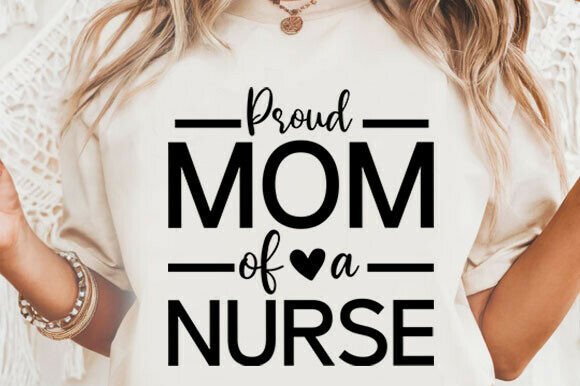
Where does Mom of a Nurse SVG shine most? In heartfelt, small-batch contexts. Think: embroidered tea towels for a hospital gift shop, pillow covers for NICU nurses’ moms, personalized baby caps with “Proud Mom of a Nurse” in tidy, rounded script. It works especially well as an embroidered patch—clean lines hold up through iron-on or sewn application, and the theme reads instantly. For Etsy sellers, it’s a quiet seller: emotionally resonant, seasonally flexible (no Christmas trees or pumpkins locking it into one calendar slot), and commercially versatile across T-Shirt Designs, aprons, and even nursery decor.
But—and this is where real-world testing separates theory from trust—there are places to pause. On thin, stretchy fabrics like lightweight jersey tees, the script portion needs careful hooping and light cutaway stabilizer. Tiny serifs or tight curves in the lettering won’t resolve cleanly below ~2.5” height. If you’re planning a cap embroidery project, test the width first: curved surfaces compress detail, and narrow letter spacing can blur. And while the design avoids excessive fine lines, dense satin-stitch accents (like a stethoscope coil) may require slightly reduced stitch density on textured fabrics like terry cloth or bouclé—otherwise, thread can snag or flatten unevenly.
For handmade product makers, Mom of a Nurse SVG adds sincerity—not just decoration. Customers don’t buy “graphics.” They buy recognition. When a mom wears a tote stitched with this design, she’s signaling pride, resilience, quiet strength. That resonance lifts perceived value. It also supports brand consistency: if you’re building a line of healthcare-themed handmade goods, this design anchors tone without shouting. It’s warm, not kitschy; professional, not sterile.
Here’s what I do before committing to any digital embroidery file like this one:
- Test on scrap fabric—same weight and weave as your final product;
- Check thread color contrast on both light and dark backgrounds (a navy sweatshirt vs. ivory linen tells two different stories);
- Review stitch density in your embroidery software—look for clusters over 12,000 stitches in tight spaces;
- Confirm hoop size compatibility—if your smallest hoop is 3”, avoid versions labeled “large script” unless resized thoughtfully;
- Inspect corners and curves in black-and-white mockups—what looks soft on screen can turn muddy when stitched;
- Use proper stabilizer: tear-away for stable wovens, cutaway for knits, and lightweight fusible for delicate items like baby blankets;
- Verify licensing—since this is marketed as a digital product for commercial use, double-check whether resale of finished embroidered items is permitted (many designers allow it, but never assume);
- Compare light/dark fabric previews—some designs lose hierarchy on black fabric if outlines aren’t bold enough.
This isn’t just about technical execution—it’s about emotional fidelity. A poorly stitched “Mom of a Nurse” can feel generic. A well-executed one feels like a quiet nod to sacrifice, care, and identity. That’s why I treat every embroidery project with this design as part of a larger conversation: between maker and wearer, craft and compassion, product and person.
For craft business owners, it’s a low-risk, high-resonance asset. It fits naturally into bundles—pair it with a “Proud Grandparent of a Nurse” variant or a simple heart-and-cross applique design for cohesive collections. For holiday embroidery or personalized gifts, it avoids trend fatigue: nursing is timeless work, and honoring those who support it remains deeply human.
One last note: while the listing says “Ready to print,” remember—ready to print doesn’t mean ready to stitch without review. Always open the files in your embroidery software first. Check for stray nodes, verify layer order (especially if it includes optional elements like a border or shadow), and run a quick simulation. That 90-second step prevents hours of rehooping or thread breaks mid-project.
In short: Mom of a Nurse SVG earns its place in my working library—not because it’s perfect in every technical sense, but because it’s thoughtful in intent and forgiving in execution. It respects the craft, the customer, and the quiet significance behind the words. That’s rare. And that’s why it stays stitched—not just on fabric, but in how I choose what to make next.